From enjoying a morning cup of coffee while listening to their cheerful birdsong to having front-row seats to their seasonal act of nesting, unless you’re in the 6-8% of the population that suffers from ornithophobia, think of all the joy birds bring to our lives. With February marking National Bird Feeding Month, your friends at Gwinnett Clean & Beautiful have compiled a list of three reasons why you should pay some of that joy forward this month.
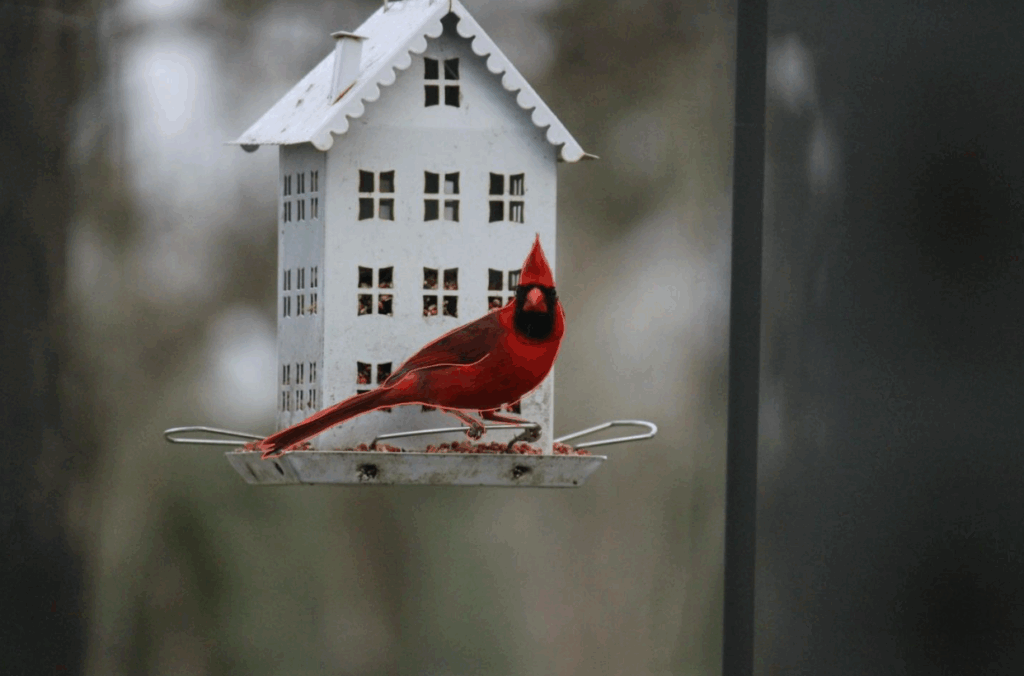
Make Sure They’re Well-Fed During a Month When Food is a Bit Harder to Come By
In the throes of Winter, wild birds’ natural diet of weed seeds and insects is nowhere near as plentiful as in the Spring, Summer, and Fall months. Not to mention the fact that we’re less likely to make sure our bird feeders remain filled when it’s cold outside – a harsh reality for native birds who’ve become accustomed to a full feeder. A congressional proclamation to name February National Bird Feeding Month was established by Congressman John Porter in 1994 to encourage Americans to supplement birds’ diets and help them survive the Winter. So, bundle up and head outside to fill your existing bird feeder or purchase one and commit to seeing it’s filled 12 months a year. The National Audubon Society provides tips on how to feed birds safely this Winter, including how and when to clean their feeder and feeder placement. Want to step it up even more? Be sure to provide water and shelter by adding a bird bath and birdhouses to your backyard. Your winged neighbors will thank you by providing entertainment and a rewarding connection with the natural world in return.
Feed Them Food That Will Fuel Them Into the Spring

Severe starvation and extreme cold snaps can lead to high mortality rates among birds, so they really can use our help to make it through the Winter. Healthy food choices are just as important for birds as they are for humans. Invest in nutrient-rich wild bird food blends that are abundant in sunflower seeds, cracked corn, dried mealworms, and nuts for energy. Make sure they’re free of fillers, dust, debris, and mold, as these can be harmful to birds. The National Audubon Society provides a list of which seeds appeal most to particular bird species – whether you’re hoping to make your bird feeder regulars happy or attract some new guests to your backyard. For instance, your common house finch loves black oil sunflower seeds, whereas a song sparrow is a major fan of white proso millet.
To make your own homemade suet, melt 1 cup of peanut butter and 1 cup of lard over low heat. In a large bowl, mix 2 cups quick oats, 2 cups birdseed mix, 1 cup yellow cornmeal, and 1 cup flour. Stir melted ingredients into the dry mix. Once cool, press into a square mold and refrigerate until you’re ready to place it outside for your fine-feathered friends to enjoy.
Protect Your Pollinators, and They’ll Protect the Planet
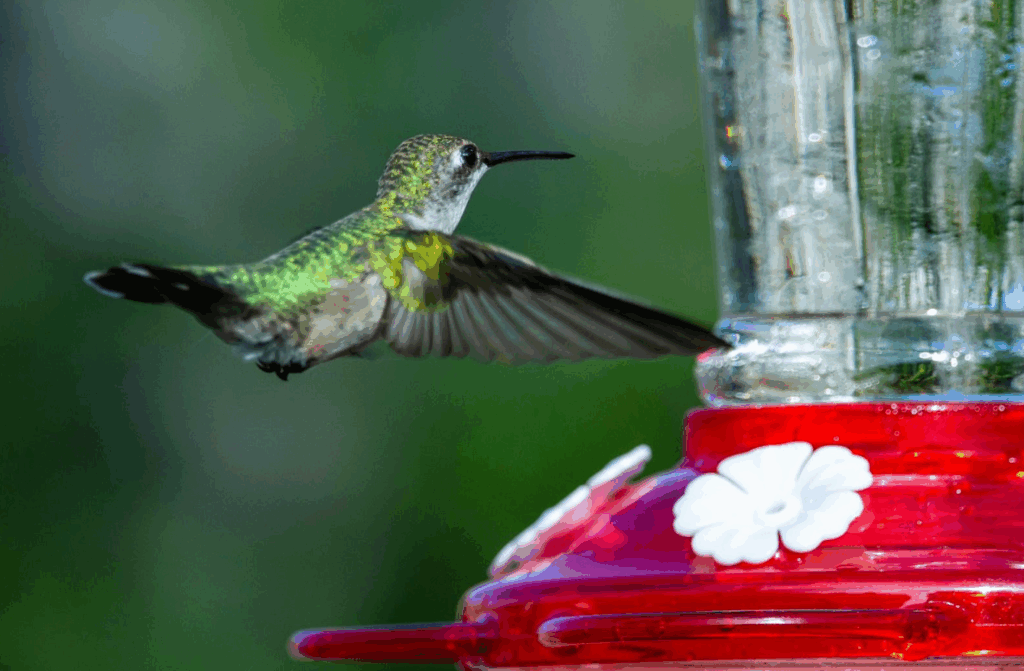
While many people associate insects – like bees and butterflies – with pollination, research shows that birds do twice as much pollinating as bugs. Over 2,000 bird species have been identified as pollinators, including hummingbirds, white-winged doves, and orioles. When they consume nectar from flowers and flowering trees, they get pollen on their beaks and bodies and then transfer that pollen from plant to plant. This act is essential for plant reproduction, often resulting in the production of seeds and fruit. Vital for ecosystems, pollination maintains the balance of plant and animal life by providing food for various animals, including humans. Since flowers are hard to come by in the Winter, fill your hummingbird feeders with a homemade nectar of sugar water. Whisk 1/4 cup granulated sugar with 1 cup boiling water until the sugar dissolves. Cool to room temperature, then fill your clean feeder.
For additional tips and environmental observances, be sure to bookmark Gwinnett Clean & Beautiful’s blog, subscribe to our monthly e-blast (fill in your email address at the prompt in the footer on our homepage), and follow us on our social media channels at Facebook (@gwinnettcb), Instagram (@greengwinnett), LinkedIn (@gwinnett-clean-beautiful), and X (@gogreengwinnett).
KB 1/26/25